
Descripción
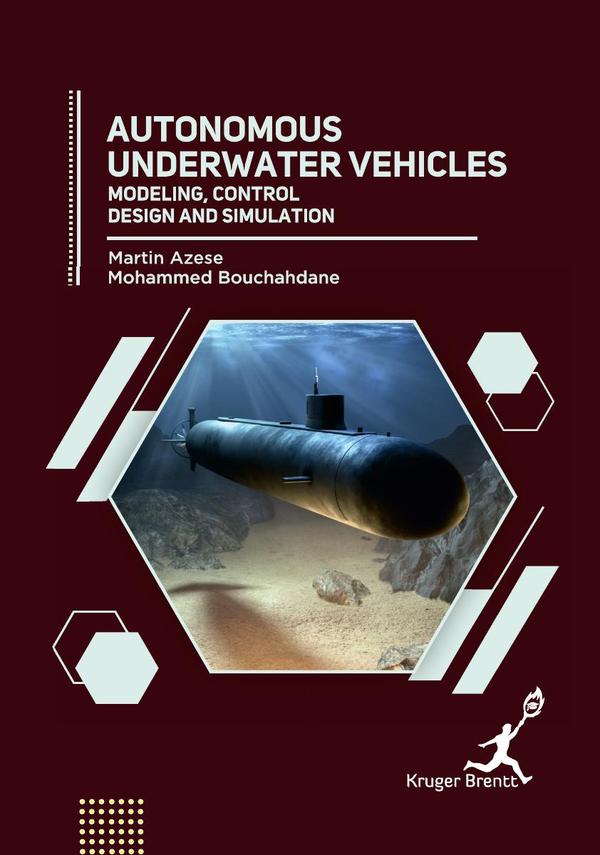
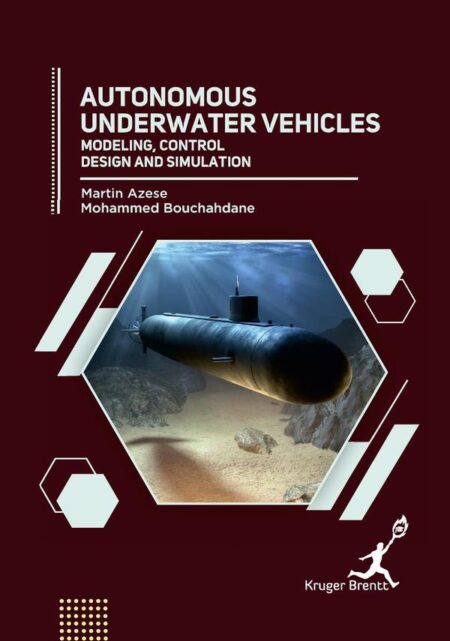
Fundamentals of Autonomous Underwater Vehicles (AUVs): Introduce AUV basics including their purpose structure types and common applications in marine exploration environmental monitoring and defense.Dynamic Modeling of AUVs: Discuss the development of mathematical models to represent the motion and dynamics of AUVs in complex underwater environments accounting for forces such as buoyancy drag and hydrodynamics.Control Systems for AUVs: Explore control design techniques including PID controllers adaptive control and nonlinear control used to regulate AUV motion depth and trajectory for precise navigation.Navigation and Guidance: Examine navigation methods such as inertial navigation acoustic positioning and GPS integration as well as guidance algorithms like path planning and obstacle avoidance crucial for autonomous operations.Simulation of AUV Performance: Discuss the role of simulation tools and software (e.g. MATLAB Simulink) in testing and evaluating AUV models control systems and mission scenarios in a virtual environment before deployment.Environmental Interaction and Adaptation: Address challenges related to the AUV’s interaction with dynamic ocean environments including currents variable water conditions and adapting control systems to handle environmental uncertainties.






Valoraciones
No hay valoraciones aún.